 -by
-by Satellite phones have become one of the most reliable communication tools for travelers, explorers, emergency responders, businesses, and outdoor enthusiasts. Unlike traditional mobile phones that depend on nearby cell towers, a Satellite Phone communicates directly with satellites orbiting Earth. This unique capability allows users to make calls and send messages even in deserts, oceans, mountains, forests, or other remote places where mobile networks do not exist.
Whether you’re preparing for an international expedition, working in a remote mining operation, sailing across the ocean, or simply building an emergency preparedness kit, understanding how a satellite phone works can help you choose the right device. This comprehensive guide explains everything you need to know—from networks and pricing to plans, rentals, and the best devices available today.
What Is a Satellite Phone?
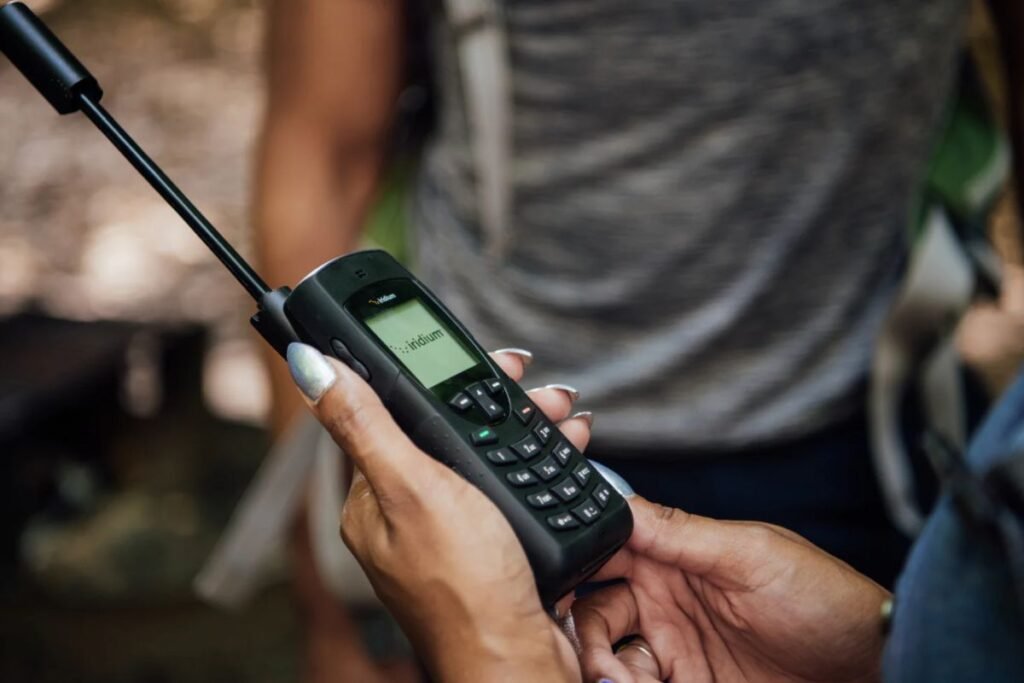
A Satellite Phone is a portable communication device that connects directly with communication satellites instead of local cellular towers.
This technology allows users to:
- Make voice calls
- Send SMS messages
- Share GPS coordinates
- Access limited internet services
- Request emergency assistance
- Track locations
Unlike smartphones, satellite phones are built primarily for dependable communication in areas without traditional cellular coverage. Many modern models also include GPS tracking, SOS buttons, weather updates, and location-sharing capabilities.
Why Trust a Satellite Phone?
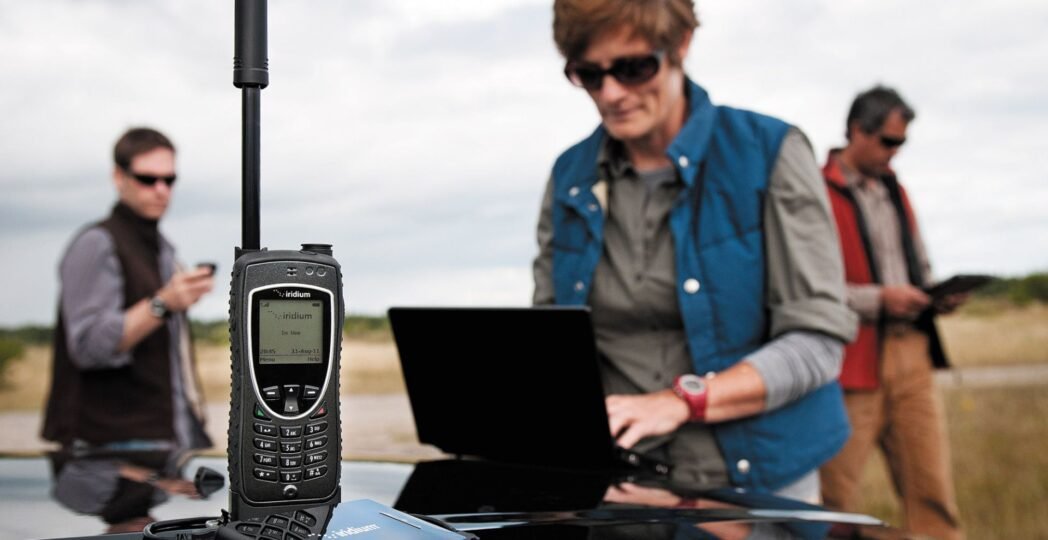
Communication is essential during emergencies and remote travel. Cell towers can fail during hurricanes, earthquakes, floods, or wildfires. In isolated areas, mobile coverage may never exist.
A Satellite Phone connects directly to satellites rather than terrestrial infrastructure. As long as you have a clear view of the sky, your device can usually maintain communication almost anywhere in the world.
Major users include:
- Adventure travelers
- Mountain climbers
- Sailors
- Commercial fishermen
- Emergency rescue teams
- Military organizations
- Humanitarian agencies
- Oil and gas workers
- Scientists
- Journalists
- Remote construction companies
How Does a Satellite Phone Work?
A satellite phone sends signals directly upward to satellites orbiting Earth. The satellites relay these signals to a ground station connected to the public telephone network.
The process works like this:
- You dial a number.
- Your phone transmits a signal to a satellite.
- The satellite forwards it to a gateway station.
- The gateway routes the call to another satellite phone or a regular telephone.
Because the connection bypasses cell towers, users can stay connected in remote regions where ordinary smartphones display “No Service.”
Main Satellite Networks
Understanding satellite networks helps you choose the right phone.
Iridium
The Iridium network offers true global coverage, including both poles.
Advantages include:
- Worldwide coverage
- Excellent reliability
- Strong emergency support
- Popular among explorers
The Iridium satellite phone remains one of the industry’s most trusted choices.
Inmarsat
Inmarsat provides excellent service across most continents.
It is popular for:
- Maritime communication
- Aviation
- Government agencies
- International businesses
Coverage excludes extreme polar regions.
Globalstar
Globalstar provides affordable service in many populated regions.
Ideal for:
- North America
- Europe
- Australia
- Parts of South America
Coverage is more limited than Iridium.
Thuraya
Thuraya focuses on:
- Europe
- Africa
- Asia
- Middle East
- Australia
It offers competitive pricing for travelers within supported regions.
Key Features of Modern Satellite Phones
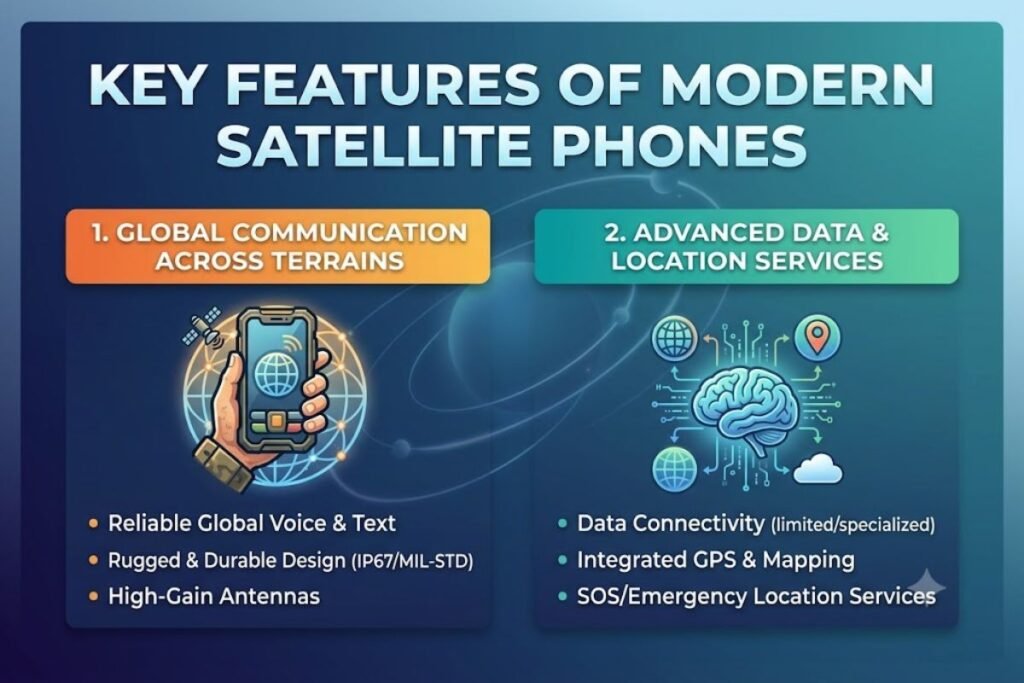
Today’s satellite phones provide much more than voice calling.
Global Coverage
The biggest advantage is worldwide communication.
Whether hiking through Alaska or crossing the Sahara Desert, a satellite phone helps maintain contact.
SOS Emergency Button
Many models include an emergency SOS feature.
When activated, the device sends:
- GPS coordinates
- User identification
- Emergency alert
Rescue teams receive your location quickly.
This makes an emergency satellite phone an essential safety tool for outdoor adventures.
GPS Navigation
Many phones include:
- GPS tracking
- Waypoints
- Location sharing
- Route logging
This is especially useful for expeditions.
Weather Updates
Some devices download weather forecasts using satellite data.
Outdoor professionals depend on these updates before traveling into hazardous environments.
Long Battery Life
Unlike smartphones, satellite phones emphasize endurance.
Typical performance includes:
| Feature | Average |
| Standby Time | 30–100 hours |
| Talk Time | 4–12 hours |
Rugged Design
Satellite phones are built for harsh environments.
Many models feature:
- Water resistance
- Dust protection
- Shock resistance
- Extreme temperature tolerance
Who Should Buy a Satellite Phone?
Not everyone needs one, but some users benefit significantly.
Ideal users include:
Adventure Travelers
Travelers exploring remote destinations can stay connected when cellular service disappears.
Mountain Climbers
High-altitude expeditions often lack reliable mobile coverage.
Sailors
Communication is critical hundreds of miles from shore.
Campers
Backcountry campers can call for help during emergencies.
Remote Workers
Workers in mining, forestry, and construction depend on satellite communication to support their daily operations.
Disaster Preparedness
Many families keep a satellite phone for natural disasters when traditional networks fail.
Satellite Phone vs Mobile Phone
| Feature | Satellite Phone | Smartphone |
| Works without towers | ✔ | ✘ |
| Global coverage | ✔ | Limited |
| Emergency use | Excellent | Limited |
| Internet speed | Slow | Fast |
| Battery life | Longer | Moderate |
| Outdoor durability | Excellent | Moderate |
Best Satellite Phone Features to Consider
Before buying, evaluate these important factors.
Coverage Area
Choose a network that covers where you’ll travel.
For worldwide adventures, an iridium satellite phone is usually the safest option.
Battery Performance
Look for:
- Long standby time
- Fast charging
- Replaceable batteries
Durability
Outdoor users should prioritize:
- IP-rated water resistance
- Dustproof construction
- Military-grade durability
Emergency Functions
The best satellite phone models include:
- SOS alerts
- GPS sharing
- Location tracking
- Emergency messaging
Ease of Use
Large buttons, bright displays, and intuitive menus are valuable during stressful situations.
Popular Satellite Phone Models
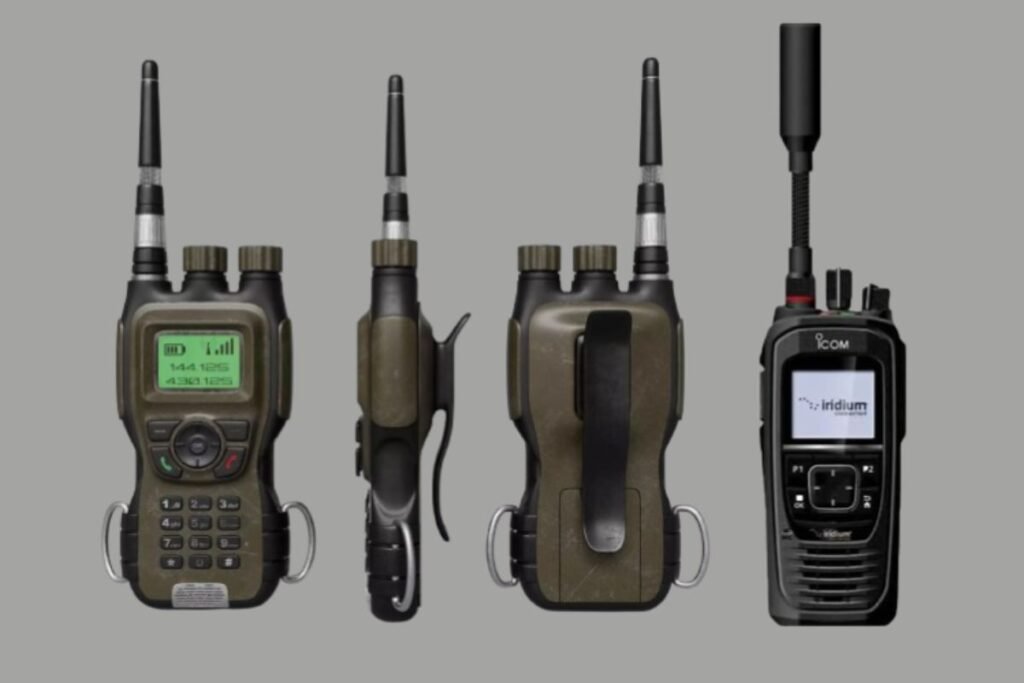
Several devices dominate today’s market.
Iridium Extreme 9575
Known for:
- Military-grade durability
- Global coverage
- SOS tracking
- GPS navigation
Excellent for professional users.
Iridium 9555
The Iridium 9555 is widely recognized as one of the most trusted handheld satellite phones available worldwide.
Advantages:
- Compact design
- Reliable worldwide communication
- Long battery life
- Excellent voice quality
Inmarsat IsatPhone 2
Best known for:
- Excellent battery life
- Affordable plans
- Strong signal reliability
Thuraya XT-PRO
Ideal for:
- Europe
- Middle East
- Asia
- Africa
Features include advanced navigation tools and rugged construction.
Garmin Satellite Devices
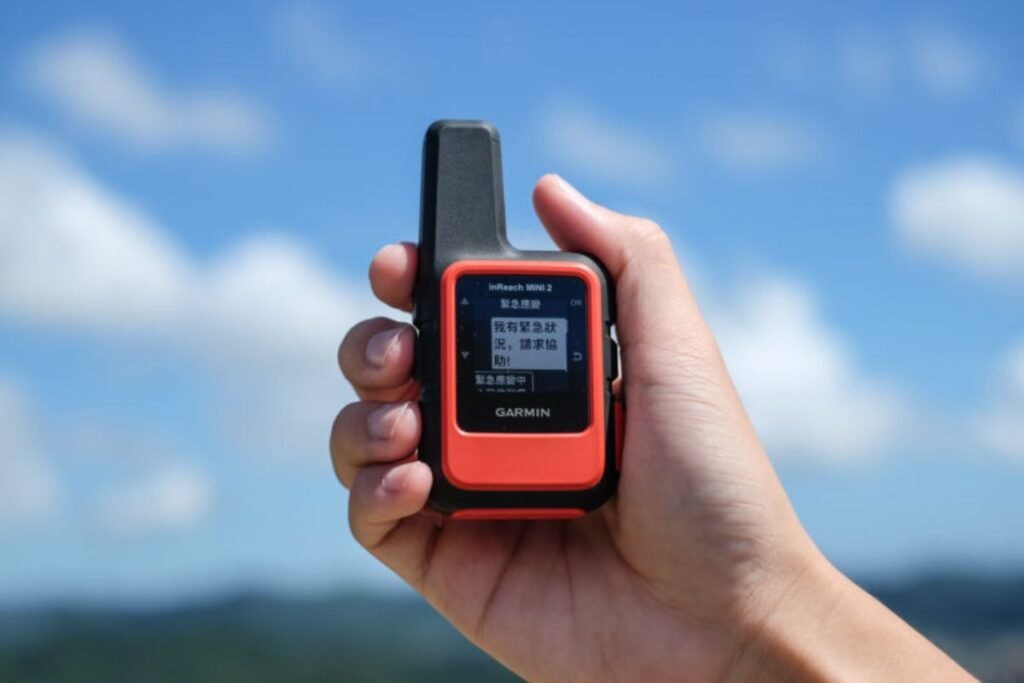
Many people search for a Garmin satellite phone, although Garmin primarily manufactures satellite communicators rather than traditional voice satellite phones.
Popular Garmin devices focus on:
- Two-way texting
- GPS navigation
- SOS emergency rescue
- Location sharing
These devices work exceptionally well for hikers and backpackers who don’t require voice calling.
Internal Resources You May Find Helpful
If you’re interested in communication technology and outdoor gadgets, explore more technology guides on techallworld.com and techhatoz.com.
Planning remote travel? Visit beachnear.net for destination ideas and coastal travel inspiration.
Before traveling, you can also discover restaurant recommendations on restaurent.net to plan meals near your destination.
Satellite Phone Cost: What Should You Expect to Pay?
One of the most common questions people ask is “how much is a satellite phone?” The answer depends on several factors, including the brand, satellite network, features, and whether you purchase or rent the device.
A basic satellite phone generally starts at a few hundred dollars, while premium models with global coverage, GPS tracking, SOS functionality, and rugged construction can cost well over a thousand dollars.
When calculating your budget, remember that the total investment includes:
- The phone itself
- Activation fees (if applicable)
- Monthly service plan
- Airtime charges
- Optional accessories
- International usage fees
Although the upfront cost may seem higher than a smartphone, a Satellite Phone provides communication where ordinary mobile devices simply cannot work.
How Much Does a Satellite Phone Cost?
Many buyers search for “how much does a satellite phone cost” before making a purchase.
Below is a general pricing guide.
| Phone Category | Estimated Price |
| Entry-Level Satellite Phone | $500–$800 |
| Mid-Range Model | $800–$1,200 |
| Premium Rugged Model | $1,200–$1,800+ |
| Professional Satellite Terminal | $2,000–$5,000+ |
The actual satellite phone price varies depending on the manufacturer and network provider.
Premium devices typically offer:
- Better battery life
- Enhanced GPS tracking
- Improved weather resistance
- Global coverage
- Faster satellite acquisition
- Emergency SOS integration
If you’re traveling only once or twice, buying may not be the most economical choice. In that case, renting a device could save money.
Satellite Phone Cost Per Month
Beyond the purchase price, you’ll need an active service plan.
The average satellite phone cost per month depends on the provider and the amount of airtime included.
| Plan Type | Typical Monthly Cost |
| Basic Plan | $40–$70 |
| Standard Plan | $70–$120 |
| Professional Plan | $120–$250 |
| Unlimited or Enterprise | $250+ |
Monthly costs generally include:
- Voice minutes
- SMS messages
- Caller ID
- Voicemail
- Emergency access
Unused minutes may expire on some plans, while others allow rollover benefits.
Understanding Satellite Phone Plans
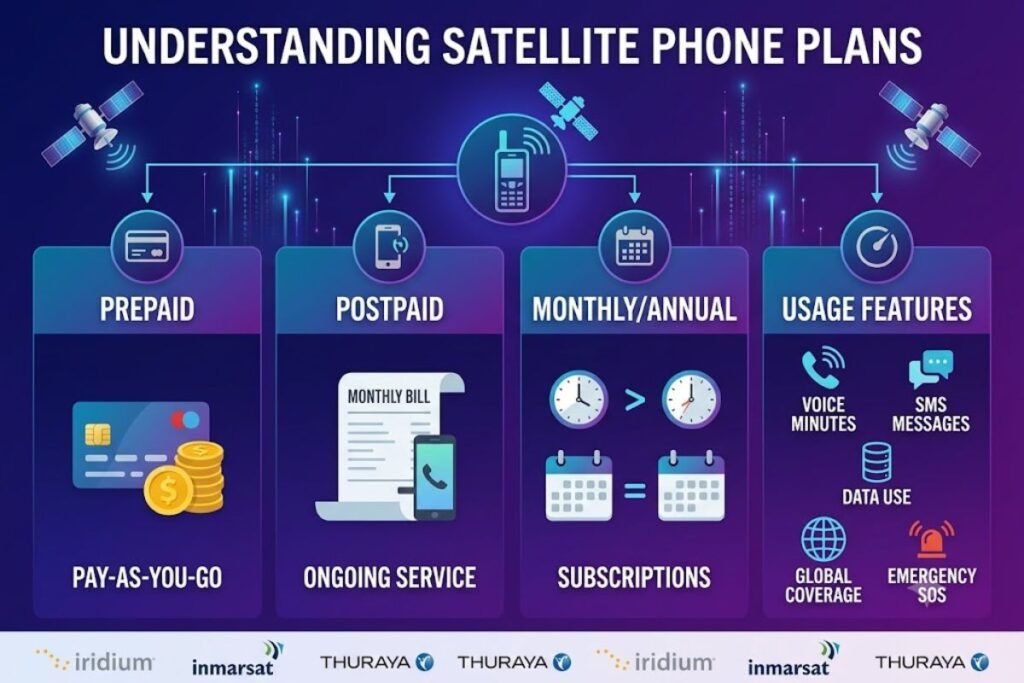
Choosing the right satellite phone plans is just as important as selecting the phone itself.
Most providers offer several options.
Monthly Plans
Best for:
- Long-term users
- Businesses
- Emergency preparedness
- Government organizations
Advantages include:
- Continuous service
- Lower per-minute costs
- Priority customer support
Prepaid Plans
Ideal for:
- Travelers
- Occasional users
- Vacation expeditions
- Adventure tours
Benefits include:
- No contracts
- Fixed spending
- Flexible activation
Annual Plans
Designed for users who require year-round communication.
These plans usually provide:
- Better pricing
- Larger minute allowances
- Business support
- International coverage
Satellite Phone Service Explained
Reliable satellite phone service depends primarily on the satellite network you choose.
Each provider has different strengths.
| Provider | Global Coverage | Polar Coverage | Voice Quality |
| Iridium | Excellent | Excellent | Excellent |
| Inmarsat | Excellent | Limited | Very Good |
| Globalstar | Good | Limited | Good |
| Thuraya | Regional | No | Very Good |
Before purchasing a device, confirm that your destination falls within the provider’s coverage area.
Satellite Phone Rentals
Buying isn’t always necessary.
Many travelers prefer satellite phone rentals because they only need communication during a short trip.
Rental companies typically offer:
- Daily rentals
- Weekly rentals
- Monthly rentals
- Expedition packages
Rentals often include:
- Charger
- Spare battery
- Carrying case
- Quick-start guide
This approach is much more affordable for occasional users.
Satellite Phone Rental vs Buying
| Feature | Rental | Purchase |
| Initial Cost | Low | Higher |
| Long-Term Value | Lower | Better |
| Maintenance | Rental company | Owner |
| Best For | Short trips | Frequent users |
| Flexibility | Excellent | Excellent |
A satellite phone rental is ideal if you’re:
- Hiking for one week
- Sailing on vacation
- Traveling internationally
- Climbing a mountain
- Visiting remote islands
Frequent users usually save money by purchasing their own device.
Where to Buy a Satellite Phone
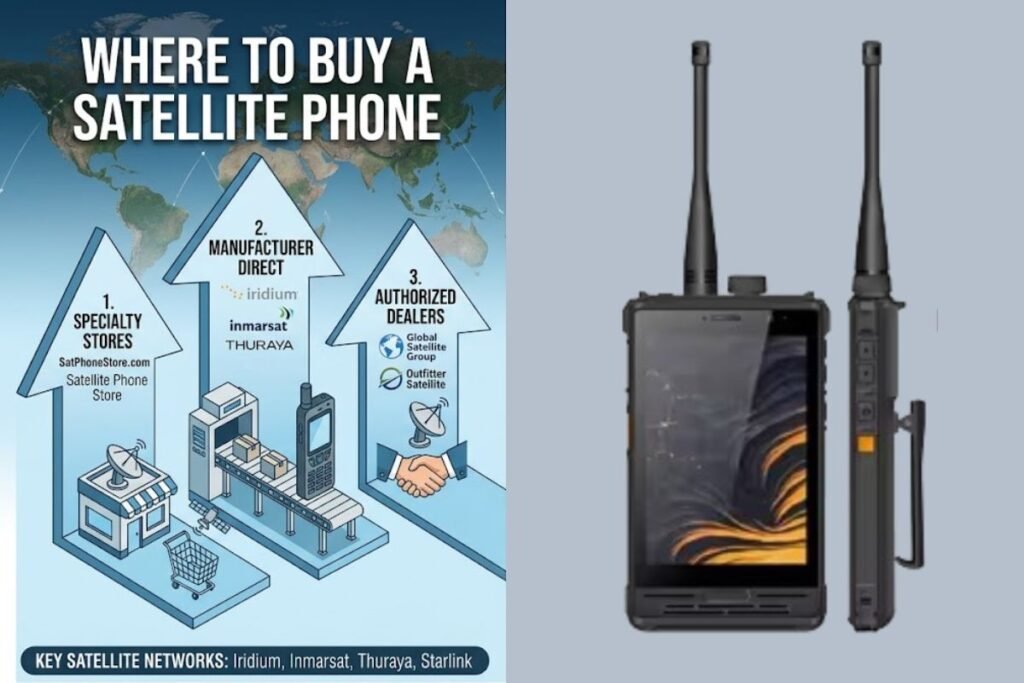
A reputable satellite phone store should provide more than just hardware.
Look for retailers that offer:
- Genuine manufacturer warranties
- Technical support
- Plan activation
- Accessories
- Rental services
- Replacement batteries
- Software updates
Before purchasing, compare:
- Warranty coverage
- Return policies
- Customer reviews
- Shipping options
- Technical support availability
Buying from an authorized dealer helps ensure that your phone is authentic and fully compatible with your chosen satellite network.
Accessories Worth Buying
The right accessories improve the performance and lifespan of your Satellite Phone.
Recommended additions include:
- Spare battery
- Solar charger
- Vehicle charger
- Waterproof carrying case
- External antenna
- USB charging cable
- Hands-free headset
- Protective screen cover
Professionals working in remote environments often carry two batteries and multiple charging options to avoid losing communication.
Starlink Satellite Phone: Is It Available?
Interest in a Starlink satellite phone has grown rapidly as satellite-based mobile connectivity expands. At present, Starlink primarily provides satellite internet rather than traditional handheld satellite phones. However, the company has announced partnerships aimed at enabling direct-to-cell satellite communication for compatible smartphones in certain regions.
Potential future benefits include:
- Expanded rural coverage
- Emergency messaging
- Limited voice capabilities
- Better connectivity without traditional towers
While this technology is promising, dedicated satellite phones remain the most reliable choice for global voice communication in remote areas.
T-Mobile Satellite Phone Services
Many users search for t mobile satellite phone options. T-Mobile has introduced satellite-enabled messaging in partnership with satellite providers, allowing supported smartphones to send emergency texts in areas without cellular coverage.
Important points:
- Availability depends on location and compatible devices.
- Service may initially focus on messaging rather than full voice calls.
- Coverage continues to expand over time.
For people who frequently travel beyond cellular coverage, a dedicated Satellite Phone still offers more dependable communication.
Verizon Satellite Phone Options
Interest in Verizon satellite phone services has also increased. Verizon has announced initiatives to enhance satellite connectivity for compatible smartphones through industry partnerships. These services are expected to improve emergency communication and extend coverage in remote locations.
However, users should understand that:
- Satellite-enabled smartphones are not the same as dedicated satellite phones.
- Coverage and supported features vary by device and region.
- Traditional satellite phones continue to provide broader off-grid reliability.
Choosing the Best Satellite Phone
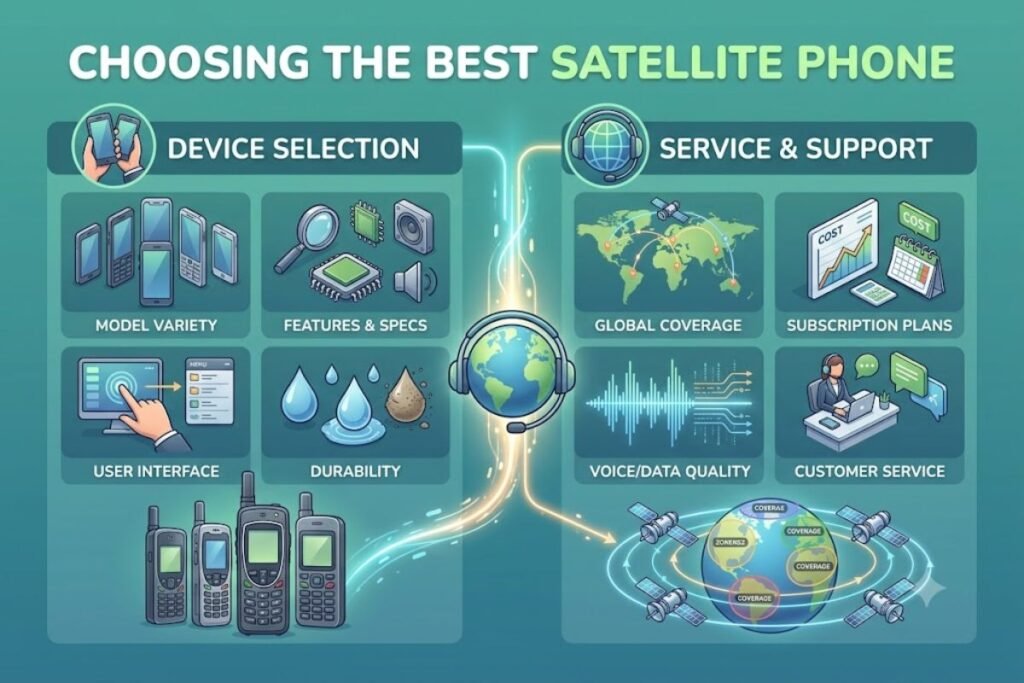
Finding the best satellite phone depends on your travel style, destination, and communication needs. Consider these factors before making a decision.
Coverage
If you need worldwide communication, prioritize networks with near-global coverage.
Battery Life
Look for:
- At least 30 hours of standby time
- Long talk time
- Fast charging
- Replaceable batteries
Durability
Outdoor users should choose rugged devices with:
- Water resistance
- Dust protection
- Shock resistance
Ease of Use
Simple controls, large buttons, and clear displays are especially helpful during emergencies.
Emergency Features
Advanced devices may include:
- SOS button
- GPS tracking
- Location sharing
- Emergency messaging
- Check-in notifications
Best Satellite Phones Compared
| Model | Network | Best For | Key Strength |
| Iridium Extreme 9575 | Iridium | Professionals | Global coverage, SOS |
| Iridium 9555 satellite phone | Iridium | Travelers | Reliable worldwide communication |
| Inmarsat IsatPhone 2 | Inmarsat | Long expeditions | Outstanding battery life |
| Thuraya XT-PRO | Thuraya | Regional travel | Navigation features |
| Globalstar GSP-1700 | Globalstar | Budget-conscious users | Affordable voice service |
Satellite Phone Buying Checklist
Before purchasing your Satellite Phone, ask yourself:
- Where will I use it?
- How often will I need it?
- Do I need worldwide coverage?
- Will I make voice calls or mainly send messages?
- Do I need GPS tracking?
- Is an SOS button important?
- Should I buy or rent?
- What monthly plan fits my budget?
- What accessories will I need?
Answering these questions helps narrow your options and prevents overspending.
Common Mistakes to Avoid
Many first-time buyers make avoidable mistakes.
Avoid these common issues:
- Choosing a network without checking coverage.
- Ignoring monthly service costs.
- Forgetting to test the phone before traveling.
- Purchasing from unauthorized sellers.
- Failing to carry a spare battery.
- Assuming satellite phones work indoors without an external antenna.
- Selecting a plan with too few included minutes.
A little preparation ensures that your Satellite Phone is ready when you need it most.
Helpful Resources for Travelers and Tech Enthusiasts
Looking for more expert technology buying guides, in-depth gadget reviews, and practical connectivity advice? Visit techallworld.com and techhatoz.com for the latest insights and recommendations.
Planning an outdoor adventure? Find travel inspiration and beach destinations on beachnear.net, and discover nearby dining recommendations through restaurent.net before your journey.
Advantages of Using a Satellite Phone
A Satellite Phone offers several benefits that make it an essential communication tool for people working or traveling outside traditional mobile network coverage. While smartphones are excellent for everyday use, they depend on nearby cell towers. Satellite phones, on the other hand, communicate directly with satellites, making them much more dependable in remote or disaster-affected areas.
Worldwide Communication
One of the biggest advantages of a Satellite Phone is its ability to work in places where cellular service is unavailable. Whether you are crossing an ocean, hiking through mountains, or exploring a desert, you can stay connected with family, colleagues, or emergency responders.
Reliable During Natural Disasters
Earthquakes, hurricanes, floods, and wildfires often damage cell towers, leaving entire communities without communication. A Satellite Phone continues to operate independently of terrestrial infrastructure, making it an excellent emergency backup.
Enhanced Personal Safety
Modern satellite communication devices offer emergency SOS alerts, GPS navigation, and live location-sharing features for added safety. These tools help rescue teams locate users quickly in emergencies, making them ideal for solo travelers and outdoor adventurers.
Excellent Battery Life
Most satellite phones are designed for extended use in remote locations. Compared to many smartphones, they offer longer standby times and dependable performance over several days.
Rugged Construction
Satellite phones are built to withstand harsh environments. Many models feature:
- Water resistance
- Dust protection
- Shock-resistant housing
- Operation in extreme temperatures
This durability makes them suitable for demanding workplaces and outdoor expeditions.
Disadvantages of Satellite Phones
Although satellite phones provide exceptional reliability, they also have some limitations.
Higher Initial Cost
The satellite phone cost is generally much higher than that of a regular smartphone. In addition to the device itself, users must also pay for airtime and service plans.
Limited Internet Speeds
Satellite phones are designed primarily for voice calls and messaging. While some models support data connections, internet speeds are much slower than those offered by modern mobile networks.
Requires a Clear View of the Sky
Buildings, tunnels, caves, and dense forests can interfere with satellite signals. For the best performance, users should operate the device in open areas.
Higher Call Charges
Depending on the provider and plan, international satellite calls may cost more than standard cellular calls.
Larger Devices
Although newer models are becoming smaller, satellite phones are generally bulkier than modern smartphones because of their larger antennas and rugged design.
Best Uses for a Satellite Phone
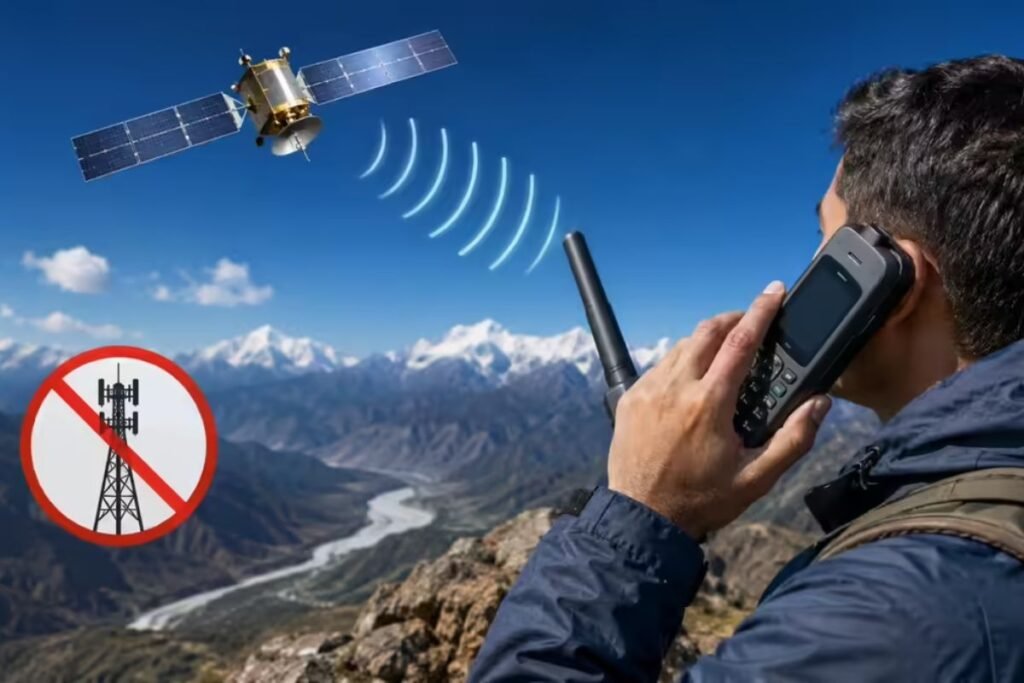
A Satellite Phone is valuable in many situations where reliable communication is essential.
Adventure Travel
Trekkers, mountaineers, and backpackers often travel far beyond cellular coverage. Carrying a satellite phone provides peace of mind and quick access to emergency assistance.
Maritime Activities
Commercial fishing crews, sailors, and yacht owners depend on satellite communication while traveling far from shore.
Aviation
Private pilots and aviation professionals use satellite phones to maintain communication during flights over remote areas.
Disaster Response
Emergency management teams rely on satellite communication when local infrastructure has been damaged.
Scientific Expeditions
Researchers working in polar regions, rainforests, deserts, or isolated islands frequently use satellite phones to stay connected with their support teams.
Business Operations
Industries such as mining, oil and gas, forestry, and construction often operate in locations where traditional mobile networks are unavailable.
Tips for Using a Satellite Phone Effectively
Following a few best practices can improve the performance of your Satellite Phone.
Keep the Battery Fully Charged
Always charge your phone before leaving for a remote destination. Carrying a spare battery or portable solar charger is also recommended.
Test the Device Before Departure
Make a test call and verify GPS functionality before beginning your trip. This ensures that your phone is working properly.
Store Important Numbers
Save emergency contacts, family members, coworkers, and local authorities in advance.
Learn How to Use the SOS Function
Understand how the emergency button works before you need it. Reading the user manual and practicing basic functions can save valuable time during an emergency.
Protect the Device
Although satellite phones are durable, storing them in a waterproof case helps extend their lifespan.
Satellite Phone Maintenance Tips
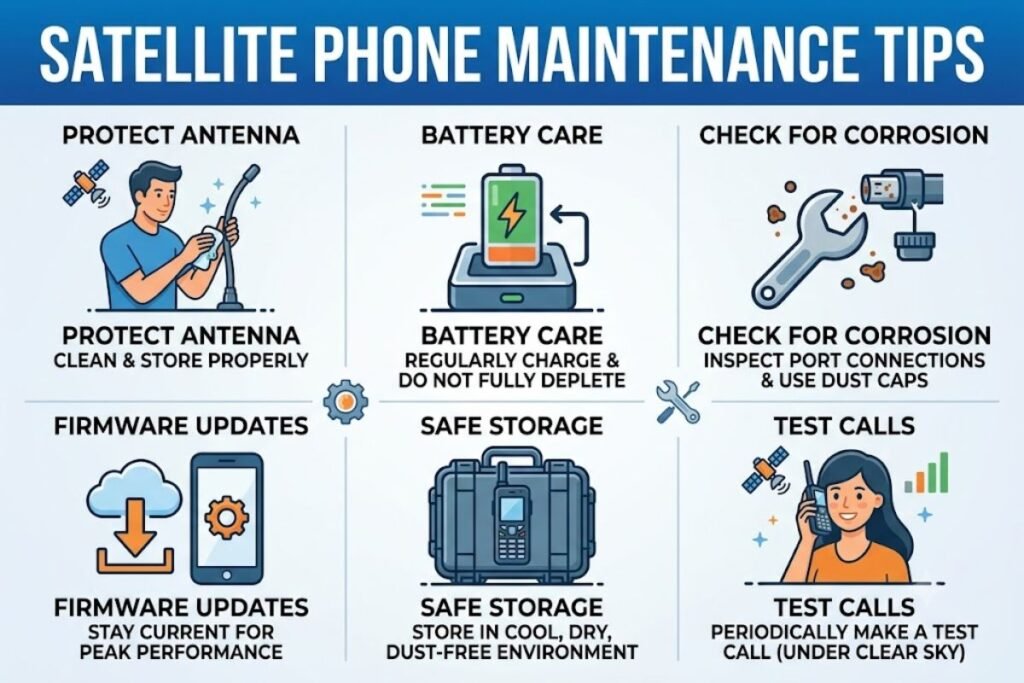
Routine maintenance ensures your satellite phone remains reliable and ready whenever communication is essential.
Clean the Antenna
Remove dust and dirt regularly using a soft cloth.
Update Firmware
Manufacturers occasionally release software updates that improve performance and security.
Store Batteries Properly
If the phone will not be used for several months, partially charge the battery before storage and keep it in a cool, dry place.
Inspect Accessories
Check charging cables, antennas, and protective cases for damage before each trip.
Future of Satellite Phone Technology
Satellite communication is evolving rapidly. New technologies are making satellite connectivity more accessible and user-friendly.
Several trends are shaping the future of the industry:
- Improved satellite coverage
- Smaller handheld devices
- Better battery efficiency
- Faster satellite internet
- Enhanced GPS accuracy
- More affordable service plans
- Integration with smartphones
Companies developing next-generation satellite services are expected to expand emergency messaging and connectivity options for compatible mobile devices. Even with these advancements, dedicated Satellite Phone devices will continue to play a critical role in industries and activities that require dependable global communication.
Frequently Asked Questions
Q: Can a Satellite Phone work anywhere?
Ans: Many satellite phones provide coverage across vast areas of the globe. Networks like Iridium offer polar regions, including near-global coverage, while others may have regional limitations.
Q: What is a satellite phone?
Ans: By communicating directly with satellites instead of ground-based cellular towers, this device allows reliable calling and messaging where mobile network coverage is unavailable.
Q: How much is a satellite phone?
Ans: The answer depends on the model and provider. Entry-level devices usually start around several hundred dollars, while premium models cost considerably more.
Q: How much does a satellite phone cost?
Ans: If you are wondering how much does a satellite phone cost, expect to pay anywhere from approximately $500 to over $1,800 for the device, plus service fees.
Q: What is the average satellite phone price?
Ans: The average satellite phone price falls between $800 and $1,500 for most quality handheld models.
Q: What is the monthly cost?
Ans: The satellite phone cost per month varies by plan and provider, generally ranging from $40 to more than $250.
Q: Are satellite phone rentals available?
Ans: Yes. Many companies offer satellite phone rentals for daily, weekly, or monthly use.
Q: Should I choose a satellite phone rental?
Ans: If you only need a device for a short trip, a satellite phone rental is often more economical than purchasing one.
Q: What is the best satellite phone?
Ans: The best satellite phone depends on your requirements. Travelers requiring global coverage often choose Iridium-based devices.
Q: What is an Iridium satellite phone?
Ans: An Iridium satellite phone uses the Iridium satellite network, which provides near-global coverage and excellent reliability.
Q: Is the Iridium 9555 satellite phone still a better choice?
Ans: Yes. The Iridium 9555 satellite phone remains a popular option thanks to its dependable performance, compact design, and worldwide coverage.
Q: Does Garmin make satellite phones?
Ans: Although many people look for a Garmin satellite phone, Garmin’s devices are actually satellite communicators designed for two-way messaging, GPS tracking, navigation, and emergency SOS services instead of standard satellite voice calling.
Q: What are satellite phone plans?
Ans: Satellite phone plans include prepaid, monthly, and annual options with different minute allowances and service features.
Q: How do I choose a satellite phone service?
Ans: Select a satellite phone service based on your travel destinations, coverage requirements, budget, and communication needs.
Q: Can I buy from a satellite phone store?
Ans: Yes. Purchasing from an authorized satellite phone store helps ensure product authenticity, warranty protection, and reliable customer support.
Q: Is a Starlink satellite phone available?
Ans: While many users look for a Starlink satellite phone, the company’s primary focus remains on delivering satellite internet services and advancing direct-to-cell technology instead of manufacturing standalone satellite phones.
Q: Does T-Mobile offer satellite connectivity?
Ans: Interest in t mobile satellite phone services has increased because of partnerships that aim to provide satellite-based messaging for compatible smartphones in supported regions.
Q: Does Verizon support satellite communication?
Ans: Developments related to Verizon satellite phone services continue to evolve as Verizon expands satellite connectivity for compatible mobile devices.
Q: Is a satellite phone legal?
Ans: In most countries of the world, satellite phones are legal to use and own. However, some nations regulate or restrict their use. Always check local laws before traveling internationally.
Q: Is a satellite phone worth buying?
Ans: If you regularly travel or work in remote areas where cellular service is unavailable, investing in a Satellite Phone can significantly improve safety and communication.
Expert Tips Before You Buy
Before purchasing your Satellite Phone, remember these recommendations:
- Compare network coverage carefully.
- Estimate your monthly airtime needs.
- Consider renting before buying.
- Purchase from trusted retailers.
- Keep spare batteries available.
- Practice using emergency features.
- Update firmware regularly.
- Verify international regulations before traveling.
These simple steps can help you choose the right device and maximize its value.
Explore More Helpful Resources
Interested in learning about the latest technology, gadgets, and communication tools? Visit techallworld.com and techhatoz.com for in-depth reviews, buying guides, and expert advice.
If you’re planning your next vacation, beachnear.net offers travel inspiration, beach guides, and destination recommendations. Before your trip, you can also discover local dining suggestions and restaurant reviews on restaurent.net.
Conclusion
A Satellite Phone is more than just a communication device—it’s an essential safety tool for anyone who ventures beyond traditional mobile coverage. Whether you’re hiking through remote mountains, sailing across oceans, conducting research in isolated regions, or preparing for emergencies, a satellite phone provides reliable communication when it matters most.
Before choosing a device, evaluate your destination, required coverage, budget, and preferred features. Compare networks, understand service plans, and decide whether buying or renting best fits your needs. By selecting the right satellite phone and maintaining it properly, you’ll gain dependable communication almost anywhere on Earth.
As satellite technology continues to evolve, these devices will become even more capable, offering improved connectivity, enhanced safety features, and greater accessibility. Investing in the right Satellite Phone today ensures you’re prepared for tomorrow’s adventures and emergencies, no matter where they take you.